

WASH (water, sanitation, hygiene)
One of RENAF's main areas of focus is improving access to drinking water, sanitation facilities and hygiene practices. The aim is to meet the basic needs of displaced families living in makeshift shelters in order to prevent disease and improve their living conditions.
Our commitment to access to water and sanitation
Food security and nutrition
RENAF also works to strengthen food security and improve the nutritional status of vulnerable populations.
The actions implemented aim to reduce malnutrition and strengthen families' food self-sufficiency.
WASH
Displaced families expressed relief at the newly secured access to clean water and sanitation facilities, emphasising the importance of WASH interventions in preventing epidemics, as access to clean water was previously almost non-existent. These actions have contributed to improving community health and quality of life.
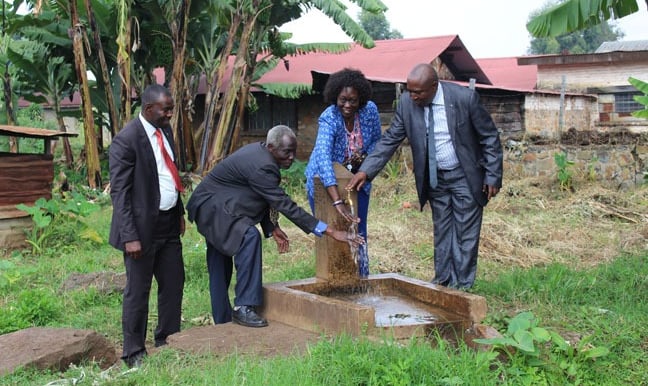
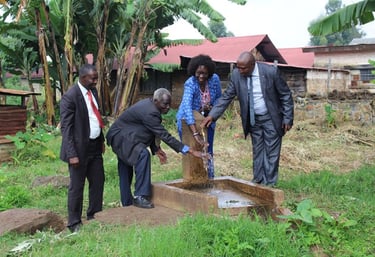
Inauguration of the CRSN Lwiro water construction project, Kabare, South Kivu, MONUSCO
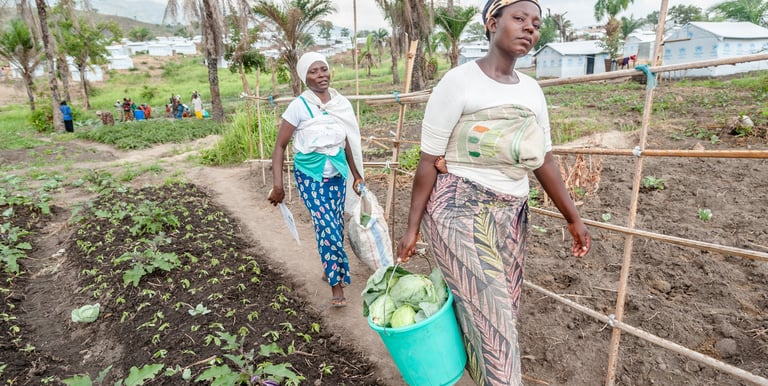
Refugee women in Uvira, South Kivu, UN Women
wash in 2025
Twenty water points were built or rehabilitated, benefiting 10,000 people.
2,000 hygiene kits were distributed.
5,000 people were educated on good hygiene practices and the prevention of waterborne diseases.
A 30% reduction in waterborne diseases was observed.
food security and nutrition in 2025
5,000 food kits were distributed.
150 community vegetable gardens were created.
2,000 families were trained in nutrition and dietary diversification.
1,200 malnourished children were treated.
A 65% improvement in nutrition was observed in children under five.
Contact us
renafsudkivu@gmail.com
+243 978 433 455
© 2026. All rights reserved.